
Last updated:
Antigua Shopping: a Complete Guide
Antigua shopping offers unique experiences across colorful markets and charming boutiques. This 281-square-kilometer island attracts visitors seeking authentic Caribbean goods. The 97,000 residents speak English and Antiguan Creole, making shopping easy for travelers. You will find everything from fresh tropical fruits to handmade crafts. The currency is the East Caribbean dollar, though many shops accept US dollars. Shopping in Antigua means discovering local culture and supporting island artisans.
The best months to visit are December through May. Temperatures average around 27.6°C year-round, so bring light clothing. You arrive at V. C. Bird International Airport, just minutes from downtown shopping areas. Most nationalities enjoy visa-free access for tourism. Antigua's shopping scene reflects Caribbean heritage and island creativity in every corner.
Best Markets in Antigua

The Public Market in St. John's stands as Antigua's largest marketplace. This vibrant center opens early in the morning and fills quickly. Vendors sell fresh produce, spices, and local goods daily. The market features multiple levels of stalls and organized sections. You will see bananas, mangoes, papayas, and avocados at excellent prices. The atmosphere feels alive with music, voices, and energy every morning.
Saturday mornings bring the biggest crowds to the Public Market. Locals and tourists mix among the colorful stalls. You can watch vendors prepare fresh juices and local snacks. The market's design keeps produce organized by type and vendor. Parking nearby is available but fills quickly on weekends. Arrive early for the best selection and calmest shopping experience.
Heritage Quay in St. John's serves as another major shopping destination. This modern complex combines local vendors with international brands. The quay features duty-free shops and local craft stalls side by side. You can walk from the cruise port directly to Heritage Quay. The location makes it perfect for ship passengers with limited time. Air conditioning inside makes shopping comfortable during hot afternoons.
Redcliffe Quay offers a more relaxed market atmosphere than Heritage Quay. Historic stone buildings house unique boutiques and craft shops. The waterfront location provides ocean views while you shop. Small food-restaurants and bars scatter throughout the quay area. You can take breaks between shopping to enjoy refreshments. The quay feels less crowded than the Public Market.
PRO TIP: Visit the Public Market on Saturday morning before 9 AM. You will find the freshest produce and most authentic experience. Bring cash in small bills, as many vendors prefer local currency. Wear comfortable shoes since the market covers multiple levels and areas.
Local Food Markets in Antigua
Antigua's food markets showcase island agriculture and Caribbean flavors. The Public Market remains the best place to experience local food culture. You will find vendors selling traditional ingredients like dasheen, yams, and plantains. Fresh fish arrives daily from local fishermen. The market features prepared foods and fresh juices throughout the day. Many vendors offer samples, so taste before you buy.
Spice vendors at the Public Market sell turmeric, nutmeg, and cinnamon. These spices grow locally and maintain excellent quality. You can buy small amounts or larger quantities. The prices are significantly lower than international markets. Ask vendors about traditional uses for unfamiliar spices. Many speak proudly about island agriculture and farming methods.
The Friday night market in St. John's provides a different food shopping experience. Local vendors set up after work to sell prepared foods. You will find grilled fish, rotis, and traditional Antiguan dishes. The atmosphere feels festive with live music and community energy. Families gather here to socialize and enjoy evening food. Prices remain very reasonable for prepared meals and snacks.
Independent grocery stores throughout St. John's offer local products in climate-controlled settings. These stores stock fresh produce, local jams, and specialty foods. You will find Antigua rum products and local spice blends. The stores accept credit cards, making shopping convenient. Hours typically run from early morning until late evening daily.
Craft and Souvenir Shopping

Artisan crafts represent Antigua's creative spirit and cultural heritage. Local artists create handmade items reflecting Caribbean traditions. You will find wooden crafts, woven goods, and painted artwork throughout the island. Many pieces tell stories of Antiguan history and daily life. Supporting local artists directly helps island communities thrive. Craft shops concentrate in St. John's and tourist areas.
Redcliffe Quay houses several dedicated craft boutiques and artist studios. Many shops feature items made by Antiguan artisans exclusively. You can watch artists work in some locations. Wooden bowls, carved figurines, and handmade jewelry fill the shelves. Prices vary based on craftsmanship and materials used. The quay's atmosphere encourages browsing and conversation with shop owners.
Heritage Quay's local section features Antiguan crafts alongside international goods. Artisans sell straw hats, baskets, and woven items here. The selection changes regularly as new creators participate. You will find reasonably priced items suitable for most budgets. Gift wrapping services are sometimes available at these stalls. The quay's central location makes craft shopping convenient for all visitors.
Local artists throughout the island work from home studios and small galleries. Many accept visits by appointment or informal walk-ins. These intimate settings showcase genuine creativity and passion. You can negotiate prices and commission custom pieces directly. Word-of-mouth recommendations from hotel staff often lead to hidden gems. These personal shopping experiences create lasting memories.
PRO TIP: Visit craft shops early in your trip to allow time for custom orders. Many artisans can create personalized items within days. Ask shop owners about artist backgrounds and piece meanings. Photography adds personal connection to your souvenirs. Support local creators by purchasing directly when possible.
Where To Buy Local Products in Antigua
Antigua rum products represent the island's most famous exports. Several distilleries produce high-quality rum available throughout the island. English Harbour Rum remains the most recognized brand globally. You will find it in duty-free shops, regular stores, and markets. The bottles make excellent gifts and souvenirs. Prices vary by location, with duty-free options offering the best values.
Local specialty food shops sell jarred goods and packaged products. Hot pepper sauces, jams, and spice blends fill the shelves. Many feature recipes and serving suggestions on packaging. You can purchase individual jars or larger sets. These items travel well and make practical gifts. Supporting local producers helps sustain island economies and traditions.
Textiles and clothing from local designers reflect Caribbean aesthetics and colors. You will find hand-dyed fabrics and traditional patterns. Small boutiques in St. John's showcase contemporary designs inspired by island culture. Prices range from affordable to luxury depending on designer and materials. Many pieces work as both clothing and home decor items.
Natural beauty products made in Antigua use local ingredients. Coconut oil, shea butter, and aloe vera feature prominently. These items suit all skin types and travel easily. Local makers emphasize natural and organic production methods. You will find these products in dedicated shops and markets. Prices remain very reasonable compared to international brands.
Shopping Hours and Tips

Shopping hours vary throughout Antigua depending on location and day. Most stores in St. John's open between 8 and 9 AM. Closing times typically range from 5 to 6 PM on weekdays. Saturday hours vary widely, with many stores closing by early afternoon. Sunday shopping is limited, with most stores remaining closed. The Public Market operates earliest, opening before sunrise on weekdays.
Public Market hours change seasonally and by vendor. Most arrive by 5 AM during peak season. The market remains busiest until around 10 AM. Afternoon hours see fewer vendors and reduced product selection. Friday evenings feature the special night market with food vendors. Always bring cash, as many market vendors lack card readers.
Heritage Quay maintains consistent mall-like hours year-round. Stores typically open at 9 AM and close at 6 PM. Cruise ship arrivals create busier periods and extended hours. Some restaurants inside stay open later than retail shops. The location offers the most reliable shopping schedule. Duty-free shopping requires your passport and airline ticket information.
Redcliffe Quay shops keep variable hours but generally open around 9 AM. Hours reflect individual owner schedules more than official policies. Many shops close for lunch between 12 and 2 PM. Evenings bring locals dining and shopping at waterfront restaurants. The atmosphere becomes more social than commercial after sunset. Plan daytime visits for serious shopping and evening visits for leisure.
Bargaining is not standard practice in stores but acceptable at markets. Polite negotiation sometimes works for multiple items or bulk purchases. Smile and be friendly with market vendors for better interactions. Cash payments sometimes allow for small discounts. Respect vendor prices at craft shops, as artisans price items fairly. Tipping is not expected but appreciated for helpful service.
Many shops accept both East Caribbean dollars and US dollars. Credit cards work at larger establishments but not all market stalls. ATMs are available throughout St. John's for currency exchange. Small bills prove helpful when shopping at markets. Avoid exchanging money with unofficial vendors or individuals. Banks offer the most favorable exchange rates for currency conversion.
PRO TIP: Bring a reusable shopping bag for market visits. Many vendors charge for plastic bags or have limited supplies. Comfortable walking shoes are essential for exploring multiple markets. Sunscreen and a hat protect you during outdoor shopping. Carry a small amount of local currency to avoid exchange hassles at vendors.
What To Buy in Antigua
English Harbour Rum tops the list of Antigua souvenirs and gifts. The distinctive bottle design makes it instantly recognizable. You can find various ages and styles at different price points. Duty-free prices beat retail shop costs significantly. The rum represents island heritage and Caribbean rum-making traditions. Many visitors purchase multiple bottles to share at home.
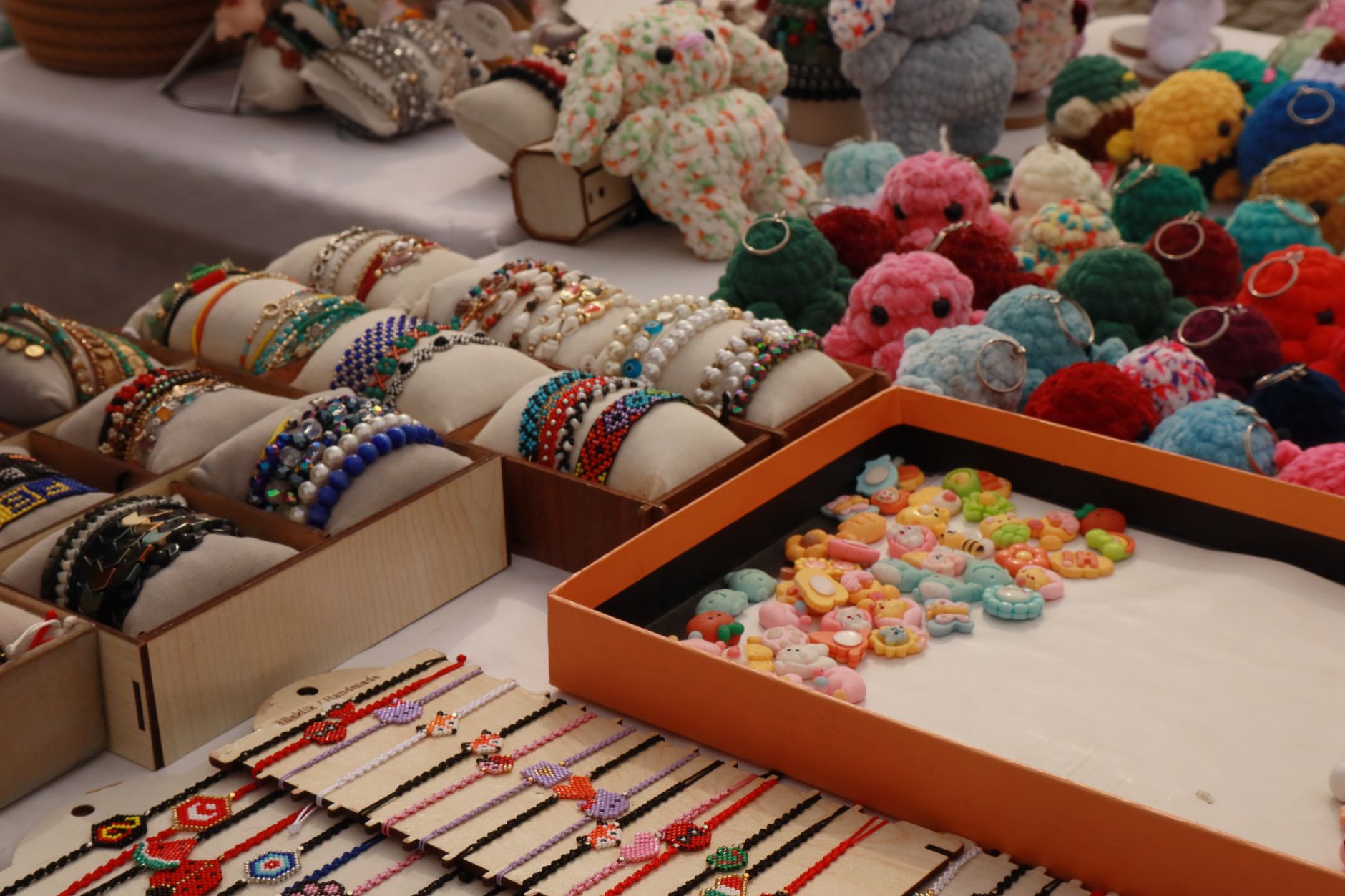
Handmade jewelry crafted by local artisans showcases Caribbean style. Pieces feature shells, stones, and precious metals. Many designs incorporate traditional patterns and cultural symbols. You can find unique items matching any budget range. Custom pieces are possible with advance notice. Supporting artisans directly through purchases preserves these craft traditions.
Woven baskets and straw goods serve as both souvenirs and functional items. Local craftspeople create these using traditional techniques. Items range from small decorative baskets to large storage containers. The natural materials age beautifully and become conversation starters. Prices remain affordable compared to similar items elsewhere. These items remind you of Caribbean craftsmanship long after your trip.
Spice blends and hot sauces bring Antiguan flavors home with you. Local producers mix island spices into convenient packages. These items suit gift-giving perfectly and take minimal luggage space. Many feature attractive labels and gift packaging. Supporting local producers helps sustain agricultural traditions. The flavors enhance numerous dishes and cooking styles at home.
Painted artwork and wooden carvings reflect local artists' creativity. Pieces vary from small affordable items to significant investments. Local galleries and market stalls offer original works. You support artists directly through these purchases. Many pieces increase in value over time as artists gain recognition. Framed smaller works travel easily and display beautifully at home.
Coconut-based products including oils and bath items make practical gifts. Local manufacturers use sustainable and organic methods. These products work for all skin types and ages. Prices remain very reasonable compared to imported alternatives. The tropical scent reminds you of island breezes year-round. These items occupy minimal luggage space and pack safely.
Frequently Asked Questions
What Is the Best Time To Visit Antigua for Shopping?
The best shopping months are December through May when weather is ideal. This period avoids the hot, humid hurricane season. More visitors arrive during these months, bringing better shop selection. Public events and craft fairs occur more frequently in these months. Local artisans produce more goods for peak tourist season. Prices may be slightly higher but selection is superior. Plan your shopping during these recommended months for optimal experiences.
Do I Need To Exchange Currency Before Shopping in Antigua?
The East Caribbean dollar is the official currency, but US dollars work almost everywhere. Many shops accept both currencies readily. ATMs throughout St. John's dispense local currency easily. Banks offer favorable exchange rates compared to money changers. You don't need to exchange currency in advance. Some vendors at markets prefer local currency but accept US dollars. Bring a mix of both currencies for maximum flexibility during shopping.
Where Can I Find Authentic Local Crafts Made by Antiguan Artisans?
Redcliffe Quay features the best concentration of local craft shops and galleries. Many artisans work directly from studios you can visit. The Public Market includes craft vendors alongside food sellers. Heritage Quay has a dedicated local section featuring island creators. Individual artist studios throughout St. John's accept visitors by appointment. Hotel concierges can recommend specific artists and galleries. Supporting artists directly through these venues ensures authentic purchases and fair compensation.
Are Credit Cards Accepted Throughout Antigua's Shopping Areas?
Larger establishments like Heritage Quay accept credit cards readily. Many shops at Redcliffe Quay take cards but some prefer cash. Public Market vendors work almost exclusively with cash. Independent grocery stores accept credit cards and cards. Always carry some cash for market visits and smaller shops. Visa and Mastercard work most widely across the island. American Express and Discover cards face limited acceptance. Inform your bank of travel plans to prevent card blocking.
What Items From Antigua Are Best for Gifts and Souvenirs?
English Harbour Rum represents the most popular and recognized Antigua souvenir. Handmade jewelry and crafts showcase local artistry perfectly. Spice blends and hot sauces bring flavors home easily. Woven baskets and straw goods serve practical purposes beautifully. Coconut oil and natural beauty products appeal to most recipients. Painted artwork by local artists creates lasting memories. Small items pack easily and appeal to various budgets and interests. Choose gifts that reflect your interests and travel experiences.
PRO TIP: Keep receipts for all purchases, especially duty-free items. Document serial numbers on expensive items for customs purposes. Pack fragile items carefully in your luggage with bubble wrap. Buy jewelry and artwork on your last shopping day to prevent damage. Ask shop owners about shipping options for larger or heavier items home.