allisles.com
Antigua
allisles.com
Antigua
Antigua: Complete Caribbean Travel Guide
Visa Free
Last updated:
Quick Facts About Antigua
- Visa Status: Visa-free for most nationalities
- Currency: East Caribbean Dollar (XCD)
- Language: English, Antiguan Creole
- Best Months to Visit: December through May
- Average Temperature: 27.6°C (82°F)
- Airport: V. C. Bird International Airport (ANU)
- Population: 97,000
- Area: 281 km²
About the Isle of Antigua
The isle of Antigua sits in the Lesser Antilles, part of the Antigua and Barbuda nation. It occupies coordinates 17.0608° North and 61.7964° West in the eastern Caribbean. This island covers 281 square kilometers and is home to 97,000 people who speak English and Antiguan Creole daily.
Antigua has a rich history shaped by colonialism, sugar production, and seafaring traditions. The island transitioned from a sugar economy to tourism and financial services. Today, Antigua welcomes visitors seeking beaches, water sports, and Caribbean culture. The island's strategic location made it important for naval operations historically, and this heritage remains visible throughout the island.
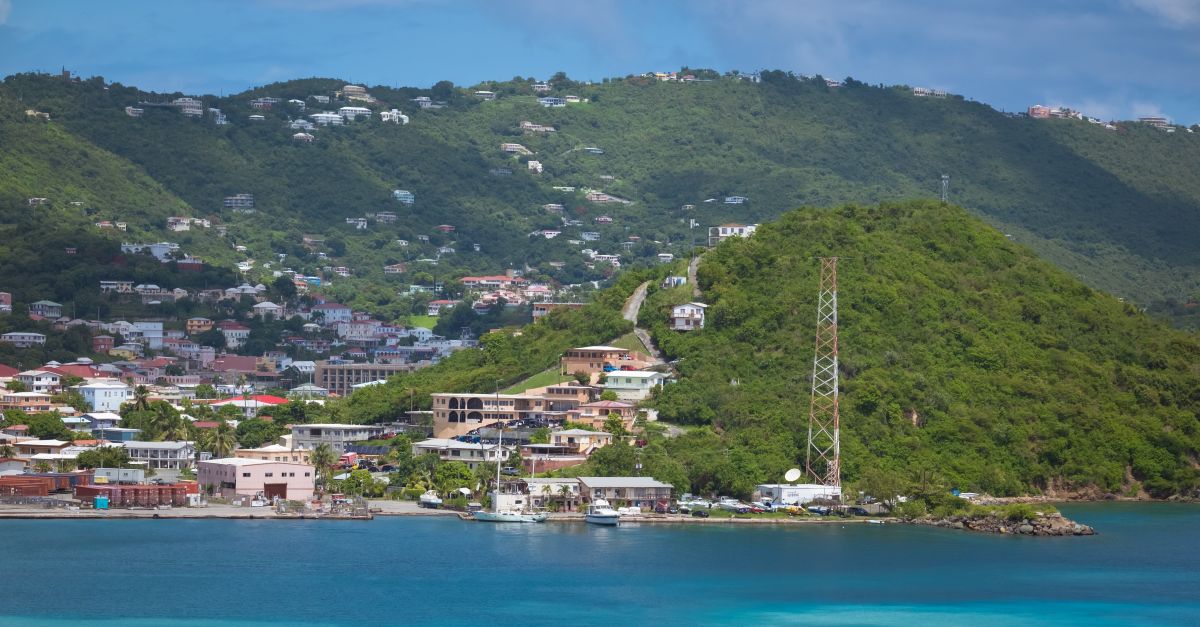
The geography of Antigua features rolling hills, rocky outcrops, and an extensive coastline. The island experiences a tropical climate with warm temperatures year-round. Rainfall concentrates during the summer months, while winter brings drier conditions. The surrounding waters support vibrant marine ecosystems with coral reefs and diverse fish species.
Why Visit the Isle of Antigua
Best forfamiliescouplessolo travelersbudget travelersluxury travelers
Antigua offers something for every traveler type. The island boasts 365 beaches, one for each day of the year. Many beaches feature calm, shallow waters perfect for swimming and water sports. The island's position south of hurricane paths makes it safer during Atlantic storm seasons.
Water activities define the Antigua experience. Scuba diving reveals colorful coral reefs and shipwrecks. Snorkeling in shallow reefs requires minimal equipment and skills. Sailing trips explore nearby islands and hidden coves. Windsurfing attracts athletes during trade wind season. Fishing charters target game fish in deep ocean waters. Beach clubs combine swimming with food and entertainment.
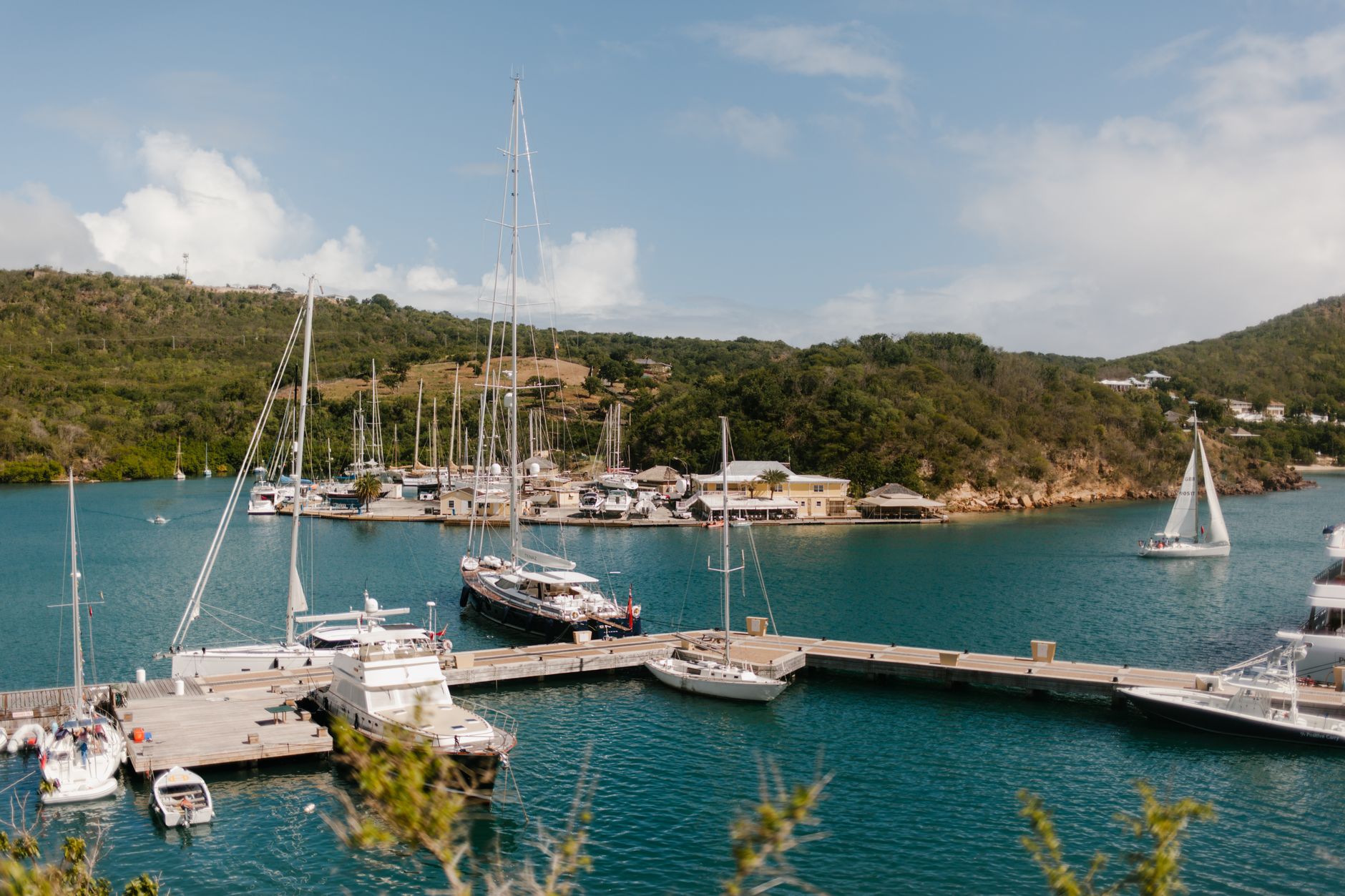
Land adventures complement water activities. Hiking trails lead through tropical forests and historic sites. Nelson's Dockyard National Park preserves British naval heritage with museum exhibits. Shirley Heights overlooks English Harbour with 360-degree views. The island's small size means you can drive anywhere within one hour. Local restaurants serve fresh seafood and traditional Antiguan dishes.
The island maintains a relaxed pace. Visitors rarely encounter crowds even during peak season. Warm, welcoming locals enhance the experience. The cost of living remains reasonable compared to other Caribbean destinations. Antigua's stability and modern infrastructure appeal to travelers seeking safety and comfort.
PRO TIP: Buy a local SIM card at the airport for affordable mobile data. Caribbean phone plans charge high roaming fees. Local providers offer better rates for data-heavy activities like navigation and photo sharing.
Antigua for Families
Best forfamilies with children of all ages
Families find Antigua remarkably child-friendly and easy to navigate. The island's compact size means short drives between attractions. No visa requirements simplify travel planning and entry procedures. English-speaking locals help families communicate easily throughout their stay.
Beach activities occupy most family days. Dickenson Bay features gentle slopes and lifeguards during peak hours. Half Moon Bay provides calm waters ideal for toddlers and young swimmers. Valley Church Beach offers shade from coconut palms and nearby food vendors. Pigeon Point Beach combines swimming with snorkeling in shallow reefs nearby.
Family attractions include Shirley Heights, where kids enjoy sweeping views and historic cannons. Nelson's Dockyard National Park fascinates history lovers with restored naval buildings and museums. The Antiguan Sloth Sanctuary lets families observe wildlife native to the region. Barbuda day trips feature wild horses and pristine beaches. Tours depart from St. John's harbor regularly.
Dining for families presents no challenges. Most restaurants accommodate children and offer familiar foods alongside local cuisine. Resort buffets cater to varying tastes and dietary needs. Street food vendors sell fresh fruits and affordable snacks. Supermarkets like Epicurean Supermarket stock international brands alongside local products.
Antigua for Couples

Best forromantic getawayshoneymoonsanniversary celebrations
Couples discover romance easily on this island. Sunset sailing experiences create unforgettable memories on calm seas. Private beach picnics combine seclusion with fresh seafood. Beachfront dinners at restaurants like Coconut Grove feature candlelit tables and ocean breezes. Spa treatments at resorts provide couple massages and relaxation.
Romantic locations dot the island. Curtain Bluff offers secluded coves and luxury accommodation. Half Moon Bay provides intimate swimming experiences with few crowds. Rendezvous Bay on Antigua's southern coast delivers tranquility and natural beauty. The Pillars of Hercules rock formations create dramatic backdrops for photos.
Evening entertainment appeals to romance-seeking couples. Shirley Heights hosts Sunday parties with live music, local food, and panoramic views. Beach bars like Wadadli Brew serve craft drinks in relaxed island settings. Fine dining restaurants feature creative cuisine and wine lists. Casino nights add excitement at larger resorts.
Adventure activities strengthen couple bonds. Sailing charters explore the Caribbean together. Snorkeling reveals underwater worlds side by side. Hiking to viewpoints combines exercise with shared accomplishment. Horseback riding along beaches creates magical moments.
PRO TIP: Book sunset sailing trips in advance during December through May. Peak season fills boats quickly. Smaller operators offer more personalized experiences than large tour companies.
Antigua for Solo Travelers
Best forindependent travelersbackpackersadventure seekers
Solo travelers find Antigua welcoming and manageable. The island feels safe with a stable government and established tourism infrastructure. English language removes communication barriers. Compact geography allows exploration without vehicle rental, though driving is easy and affordable.
Social opportunities abound for solo travelers. Hostels like Cocos Hotel and Backpackers Antigua connect travelers and organize group activities. Beach clubs gather people daily in casual settings. Cooking classes teach local cuisine while building friendships. Island tours pair solo visitors with other travelers.
Solo activities suit independent preferences perfectly. Hiking trails accommodate solo walkers year-round. Snorkeling from beaches requires no group booking. Reading spots include beachfront cafes and resort lounges. Photography enthusiasts capture dramatic light at Shirley Heights and coastal cliffs.
Budget options keep costs manageable for solo travelers. Guesthouses offer basic accommodation at lower rates than resorts. Street food and local restaurants serve meals for modest prices. Many water activities group solo travelers to share boat costs. National parks charge reasonable entrance fees.
Island hopping appeals to adventurous solo travelers. Ferries to Barbuda depart regularly from St. John's. Day trips explore untouched beaches and pristine reefs. Independent boat rentals appeal to experienced sailors. Inter-island connections allow multi-destination trips.
Best Time To Visit the Isle of Antigua

Best forvacation planningbudget travelerscouples
The optimal season runs December through May. These months deliver warm temperatures around 27.6°C with minimal rainfall. Trade winds keep humidity comfortable. Ocean conditions provide calm seas for water sports. Visitors encounter fewer rainy days during this window.
December through February represent peak season. Prices climb for accommodation and tours. Crowds increase at popular beaches and attractions. However, guaranteed sunshine rewards early booking and planning. Holiday travelers enjoy festive island energy.
March through May offer excellent conditions with slightly lower prices. Easter breaks bring family travelers. Spring weather remains stable. Summer season approaches without intense heat. Hotels and tours fill less completely than peak months.
Summer months from June through November present wet season challenges. Afternoon thunderstorms develop regularly. Humidity rises notably. Hurricane season peaks August through October, though Antigua's southern location provides relative safety. Accommodation prices drop significantly. Fewer tourists mean quieter beaches and easier restaurant access. Experienced travelers appreciate lower costs and fewer crowds.
Temperature consistency makes Antigua year-round friendly. Average highs remain near 27.6°C throughout the year. Water temperatures support comfortable swimming always. Trade winds moderate heat effectively. Rain showers pass quickly in most cases.
PRO TIP: Visit May for the best weather and price combination. The island receives fewer tourists post-Easter. Accommodation rates drop from peak season prices but weather remains excellent. Plan water activities for mornings before afternoon winds strengthen.
Getting To the Isle of Antigua
Best forall travelersfirst-time visitors
V. C. Bird International Airport (ANU) welcomes all arriving visitors. Major airlines operate flights from North America, Europe, and the Caribbean. Connecting flights often route through larger Caribbean hubs like San Juan, Miami, or Barbados. Direct flights serve many US cities during peak season.
Flight times vary by departure location. From New York, flights take approximately four hours. From Miami, journey time is roughly three hours. From Toronto, expect five to six hours. From Europe, flights typically exceed seven hours with connections common.
Airport procedures move efficiently. Immigration lines process quickly for visa-free travelers. Baggage claim operates smoothly. Currency exchange and ATMs occupy the terminal. Car rental companies maintain booths near exits.
Ground transportation options suit different needs. Taxi services await outside baggage claim with fixed rates to major areas. Car rentals provide independence for exploring at your own pace. Hotel shuttles pick up arriving guests with advance booking. Public buses offer budget transportation but run infrequently.
Driving on Antigua uses the left side of the road, following British tradition. An international driving permit complements your home license. Roads range from well-maintained highways to narrow village streets. Driving distances are short, with St. John's accessible within 30 minutes. Fuel stations cluster around towns and major routes.
Ferry services connect Antigua to neighboring islands. Barbuda Express offers daily service to Barbuda with short crossing times. The journey takes approximately 30 minutes. Departures occur from St. John's harbor multiple times daily. Reservations secure seats during peak periods.
Frequently Asked Questions

Do I Need a Visa To Visit the Isle of Antigua?
Most nationalities enter Antigua visa-free for tourism purposes. The length of stay depends on your nationality, typically ranging from 30 to 180 days. Upon arrival, immigration officers stamp your passport and confirm your stay duration. Return your departure card during exit or face fines. Check with your country's embassy for specific requirements before travel. Citizens of most countries enjoy visa-free access, making travel planning straightforward.
What Is the Best Beach on Antigua?
Half Moon Bay consistently ranks as Antigua's finest beach. The crescent-shaped shoreline features white sand and calm turquoise water. Shallow depths make swimming safe for families and weak swimmers. The beach remains relatively uncrowded even during peak season. Nearby reef snorkeling adds activity options. Dickenson Bay offers similar quality with more facilities and food vendors nearby. Rendezvous Bay appeals to travelers seeking secluded experiences. Your choice depends on preferences for crowds, facilities, and nearby activities.
Is Antigua Safe for Tourists?
Antigua maintains good safety standards for tourists throughout the island. Serious crime targeting visitors remains uncommon in major tourist areas. Resort security and local police presence protect popular beaches and attractions. Exercise standard precautions like avoiding isolated areas at night and securing valuables. Petty theft occurs occasionally, so avoid displaying expensive jewelry or leaving items unattended. The island's stable government and established tourism industry support visitor safety. Thousands of tourists visit annually without incident, enjoying their stays confidently.
What Currency Should I Bring To Antigua?
The East Caribbean Dollar (XCD) is Antigua's official currency. Most major establishments accept US dollars, though exchange rates favor local currency for better value. ATMs widely available at banks and towns dispense XCD directly from international accounts. Credit cards work at resorts and major restaurants but incur processing fees. Smaller vendors and local restaurants prefer cash payments. Currency exchange services operate at the airport and throughout St. John's. Bring a combination of cash and cards for maximum flexibility and security during your stay.
How Many Days Should I Spend on Antigua?
A minimum three-day stay allows time for beach relaxation and one major activity. Four to five days accommodate island exploration with boat trips and historic site visits. One week enables thorough exploration, day trips to Barbuda, and relaxation without rushing. The island's small size means you can experience major attractions within days rather than weeks. Budget travelers often extend stays to reduce daily costs. Couples seeking romance prefer five to seven-day visits. Families with children benefit from week-long trips allowing flexibility around activity schedules and rest days.
Related Pages on Antigua
Islands Near Antigua